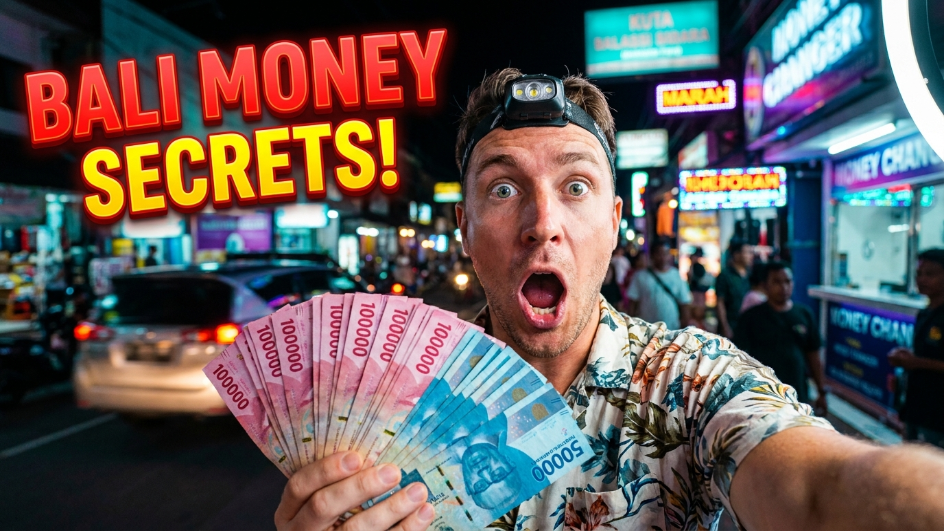
Let’s be totally real for a second: landing at Ngurah Rai International Airport feels purely magical right up until you step outside and realize your home currency is virtually useless. Suddenly, you’re faced with a chaotic sea of kiosks, all flashing neon numbers and promising you the ultimate deal. Figuring out who to trust when swapping your hard-earned cash is a massive headache for most first-time visitors.
Honestly, trying to decode the local currency scene without a proper bali money changer guide is basically asking to be shortchanged. But don’t stress! After years of navigating this beautiful island and dodging my fair share of shady back-alley counters, I’ve mapped out exactly how the system works. In this definitive guide, I’m going to hand you all the insider secrets so you can secure the best exchange rate bali has to offer, without a single drop of anxiety. Ready to explore like a seasoned pro? Let’s dive right in!
What is the Real Deal with Exchanging Currency Here?
Before you start handing over crisp bills, you need a solid grip on how the local financial ecosystem operates. The island functions on a unique blend of modern digital finance and hyper-traditional, cash-only street markets.
Mastering the Indonesian Rupiah (IDR)
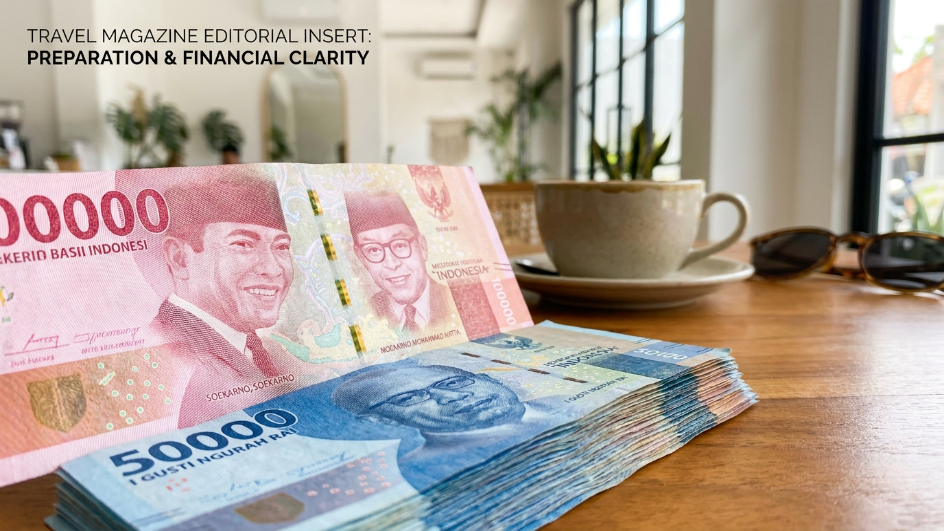
Indonesia’s currency is the Rupiah, and you are going to be dealing with a lot of zeroes! Banknotes range from tiny Rp1,000 coins all the way up to the blue Rp50,000 and the pink Rp100,000 bills.
If you aren’t used to holding millions of anything in your wallet, the cognitive overload hits fast. Most money changers will dispense stacks of the Rp50,000 and Rp100,000 notes. It is incredibly easy to confuse a 10,000 note with a 100,000 note in dimly lit environments, which is exactly what predatory operators count on.
The Cash vs. Digital Dilemma
You might be wondering if you even need cash at all in 2026. The answer is a massive yes. While luxury beach clubs, international hotels, and high-end boutiques happily swipe your Visa or Mastercard, the true soul of the island runs on physical paper .
If you want to grab a quick bite at a local warung, buy handmade crafts at the Ubud art markets, or tip your amazing tour guide, cash is absolute king. This dual economy forces every single visitor into the currency exchange game at some point during their trip.
Why Following a Proper Guide Matters
You might think changing money is as simple as walking up to the closest window, but choosing the wrong vendor can literally ruin your day. Here is exactly why taking a strategic approach is non-negotiable.
Protecting Your Hard-Earned Vacation Budget
We aren’t just talking about losing a few cents on a poor conversion rate. When you fall victim to a street-level scam, the losses are heavy. Travelers routinely report being shorted anywhere from 400,000 to over 500,000 IDR in a single transaction.
That stolen cash is the equivalent of a beautiful seafood dinner on the beach or a premium massage session. Protecting your budget means keeping your money where it belongs: spent on your own incredible experiences, not padding a scammer’s pocket.
Sidestepping the Trap of Counterfeit Notes
While scoring counterfeit IDR is thankfully rare if you stick to reputable institutional sources, the risk multiplies drastically when you deal with unverified roadside shacks.
Sometimes, scammers will slip a fake note into a massive stack of hundreds of thousands of Rupiah as change. If you unknowingly try to pay with that fake note at a local convenience store, you will face severe embarrassment and potentially a highly uncomfortable conversation with local authorities.
Avoiding Hidden “Dynamic” Fees
Even if you skip the cash booths and head straight for the ATM, the banking system has its own set of legal traps. Have you ever seen the ATM screen ask if you want to be charged in your home currency instead of IDR?
That is called Dynamic Currency Conversion (DCC), and it is a massive profit-generator for local banks. By accepting DCC, you give the ATM permission to invent its own exchange rate, which usually includes a hidden markup of 5% to 8% . Knowing how to navigate these prompts saves you a fortune over a two-week trip.
Step-by-Step: Snagging the Best Exchange Rate Bali Can Offer
Securing a fair, transparent deal requires a bit of active participation. If you follow this exact sequence, you will walk away with maximum value every single time.
Step 1: Know the Real Mid-Market Rate First
Knowledge is your absolute best defense. Before you even walk out of your hotel room, open a currency app like Wise or use Google to check the live mid-market rate.
If the baseline market rate for 1 USD is roughly 15,800 IDR, that is your anchor. You want to find an operator offering a rate as close to this number as possible. Remember, no business operates for free. If you see an advertised rate that is higher than the mid-market rate on Google, turn around and walk away immediately.
Step 2: Scout for the Official “PVA Berizin” Green Shield
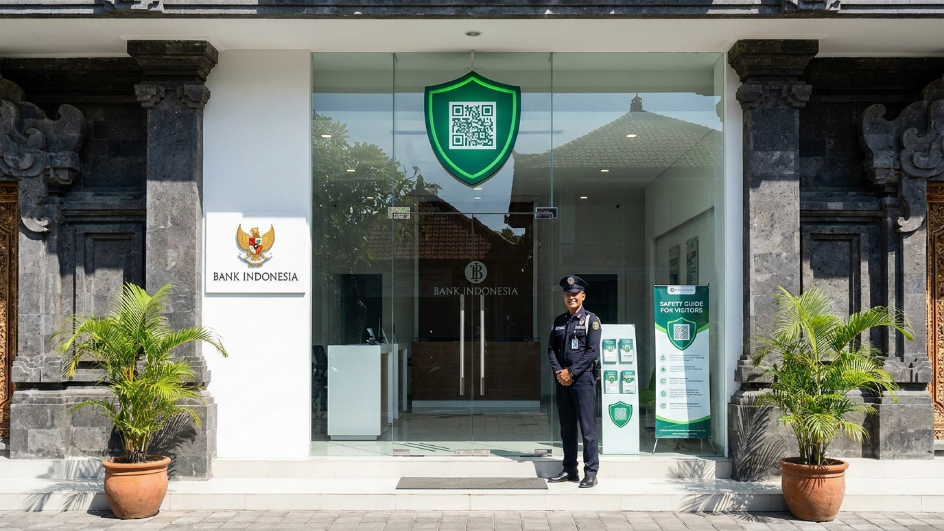
Bank Indonesia does not mess around when it comes to financial regulation. They require all legitimate non-bank money changers to hold a specific license known as Pedagang Valuta Asing Berizin (PVA Berizin).
You can spot these authorized operators by looking for a distinct green shield logo displayed prominently on their storefronts . In 2026, the central bank even added a QR code to this logo, which you can scan to instantly verify the operator’s official permit. If a booth doesn’t have this green shield, they do not get your business. Period.
Step 3: Execute the Ultimate Counting Protocol
When you hand over your cash at an authorized dealer, pay close attention to the procedure. Professional tellers will count the Rupiah out loud, note by note, right in front of you.
Once they slide the cash to your side of the glass, pull out your own phone calculator and verify the total. Take your time. Separate every single note, ensuring none are folded in half to look like two bills.
Step 4: Be the Absolute Last Person to Touch the Cash
This is the golden rule that stops 99% of all physical currency theft. The moment you have verified the count, the cash goes straight into your wallet or bag.
Scammers rely on a trick where they ask you to hand the verified stack back to them to put it into an envelope. Do not ever hand the money back! Once it is verified on the counter, it belongs to you. If a teller insists on touching it again, pack up your foreign currency and leave immediately.
Top Picks: Finding a Safe Money Changer in Kuta and Beyond
If you want to skip the guesswork entirely, just stick to the heavyweights. Finding a safe money changer in kuta, Seminyak, or Ubud is incredibly easy if you look for these specific corporate brands.
PT Bali Maspintjinra (BMC) – The Zero-Commission King
Universally known simply as BMC, this institution has been operating flawlessly since 1993. They are legendary for their strict transparency, professional staff, and absolute zero-commission policy.
They have a massive geographical footprint. Their main office is in Seminyak on Jalan Raya Seminyak, but they have an incredibly busy branch in Kerobokan that features a massive mural of a US dollar bill. If you are staying further south, their branch at Jl. Kartika Plaza No.18-21 in Kuta is incredibly reliable.
Central Kuta Money Exchange – The Largest Network
If you are wandering around the southern tourist zones, you will inevitably see the blue and red signs of Central Kuta Money Exchange. They operate the highest number of branches across the Kuta-Legian-Seminyak strip.
Their massive head office is located on Sunset Road. Customers consistently praise their locations for being clean, heavily secured, and totally above board with clearly displayed digital rate boards. They never charge hidden fees, making them a stress-free option for instant cash.
PT Dirgahayu Valuta Prima – The Pioneer Since 1984
Often branded under the name “Bali Best Rate,” Dirgahayu is one of the original pioneers of the island’s foreign exchange industry. They are heavily regulated and will strictly require you to present a valid passport or official ID for every single transaction.
They have a dominant presence in Ubud with three separate offices, but you can also find their highly secure main branch down south at Jalan Raya Kuta No. 168. If you want textbook corporate compliance, this is your spot.
Modern Alternatives: ATMs, QRIS, and Fintech
Not a fan of carrying thick stacks of cash? The financial landscape here has evolved massively, offering some incredible digital alternatives for tech-savvy travelers.
Mastering Local ATMs Without Getting Skimmed
Withdrawing cash directly from an ATM is a great way to bypass street-level exchange booths entirely. However, you must be highly strategic. Never use standalone, unbranded ATMs sitting in dimly lit minimarts or dark alleyways, as these are prime targets for card skimming devices.
Instead, only use ATMs that are physically attached to major Indonesian bank branches like BCA, Mandiri, or BNI. These machines are guarded by security personnel and monitored by CCTV 24/7.
Navigating the QRIS Ecosystem as a Tourist
The Indonesian government has rolled out the Quick Response Code Indonesia Standard (QRIS), a universal digital payment system that allows you to pay simply by scanning a barcode . It is an absolute game-changer!
International tourists can actually join this cashless revolution. By downloading a dominant local e-wallet like GoPay or OVO, verifying your account using your passport and an active local SIM card, you can link your international card to top up your balance. From there, you just scan the QRIS code at almost any merchant counter to pay digitally without ever touching a Rupiah note.
The Multi-Currency Card Advantage (Wise & Revolut)
If you want the absolute ultimate in rate optimization, bring a dedicated travel fintech card like Wise or Revolut. These platforms allow you to convert your home currency into IDR within their apps at the true mid-market rate before you even board your flight.
Once you land, you simply tap your card at major merchants or withdraw your pre-converted Rupiah balance from local ATMs fee-free (depending on your plan limits). It totally eliminates the anxiety of fluctuating daily rates!
Common Currency Scams You Absolutely Must Avoid
Even with the best preparation, you need to know exactly what the enemy’s playbook looks like. Here is a breakdown of the most notorious tricks pulled by unauthorized street vendors.
| The Scam Tactic | How it Actually Works | Your Defensive Strategy |
| The “Too Good to be True” Rate | Small kiosks post exchange rates significantly higher than the global market to lure you inside their un-airconditioned booths . | Ignore the hype. If the rate is vastly better than verified corporate shops like BMC, it is a guaranteed trap. |
| The Masterful Sleight of Hand | The teller counts the money perfectly in front of you. Then, a “random” guy walks in to distract you. While you look away, the teller drops half your cash into a hidden drawer. | Maintain terrifying eye contact with your cash. You must be the final person to count it, and immediately put it in your pocket. |
| The “Small Notes” Distraction | After counting, the teller asks if you have 3,500 IDR in small change to round out the transaction. While you dig in your purse, they swipe the large bills from the counter. | Say “No,” grab your full verified stack of IDR off the counter, and secure it before you answer any questions. |
| The “Broken Meter” Extortion | Not exactly a booth scam, but taxi drivers waiting outside bars will claim their meter is broken to demand a massive cash payout right when you are most vulnerable. | Only use the official Bluebird app or pre-book a private driver to ensure exact, transparent pricing. |
FAQ – Frequently Asked Questions
Got a few lingering questions before you pack your bags? Here are the most common things travelers ask me about managing money on the island.
What is the best time of day to exchange money?
Believe it or not, timing matters! Try to execute your transactions between 11:00 AM and 3:00 PM on weekdays. This is when the global interbank rates are actively trading at their highest volumes. Avoid exchanging on weekends, as banks close and local vendors freeze their rates, often building in a defensive buffer that costs you money.
Do I get a better rate for larger denomination bills?
Absolutely. If you are bringing foreign cash, bring crisp, flawless, high-denomination notes. A flawless $100 USD note will consistently command a higher exchange rate than a stack of $10 or $20 bills. Make sure your bills have zero tears, ink marks, or heavy creases, as local changers will outright reject damaged foreign currency.
What should I do if I actually get scammed?
If you realize you’ve been shortchanged, prioritize your physical safety above all else. Do not march back into an isolated back alley alone to confront an aggressive syndicate. Document the shop’s location and file a report through the official government portal, SP4N-LAPOR, which has a dedicated channel specifically for foreign tourists to report illicit operators.
Read also:
Wrapping It Up!
Honestly, dealing with money in a foreign country doesn’t have to be a nightmare. By mastering a few basic rules—checking the mid-market rate, hunting down that beautiful green PVA Berizin shield, and sticking to legendary names like BMC or Central Kuta—you completely bulletproof your travel budget. Remember, keeping your cash safe means you get to spend more time enjoying breathtaking sunsets and incredible local food!
Don’t fall victim to currency scams. When you hire a private driver from Bali Agung Tours, our honest local guides will take you only to certified, safe money changers with the best rates.