Honestly, the first time someone suggested a water adventure in Ubud, my mind immediately jumped to exhausting paddling, massive drops, and waking up the next day with arms so sore I could barely lift my coffee cup. For years, the island’s tourism scene has been dominated by intense white-water rapids that leave you absolutely drained. But after spending over a decade exploring every hidden corner of this island, I finally discovered a secret that completely shifted my perspective on aquatic adventures.
Here’s the truth: you don’t need to battle Class IV rapids to experience the breathtaking beauty of Bali’s jungles. If you are looking for a way to immerse yourself in nature without the extreme physical toll, river tubing bali is the game-changer you’ve been waiting for. Specifically, the pakerisan river tubing experience offers a perfect blend of lush scenery, gentle currents, and deep cultural heritage. In this comprehensive guide, I am going to break down exactly why this chill river float is stealing the spotlight in 2026, and how you can plan the perfect day out without the usual trial-and-error!
What is Pakerisan River Tubing?
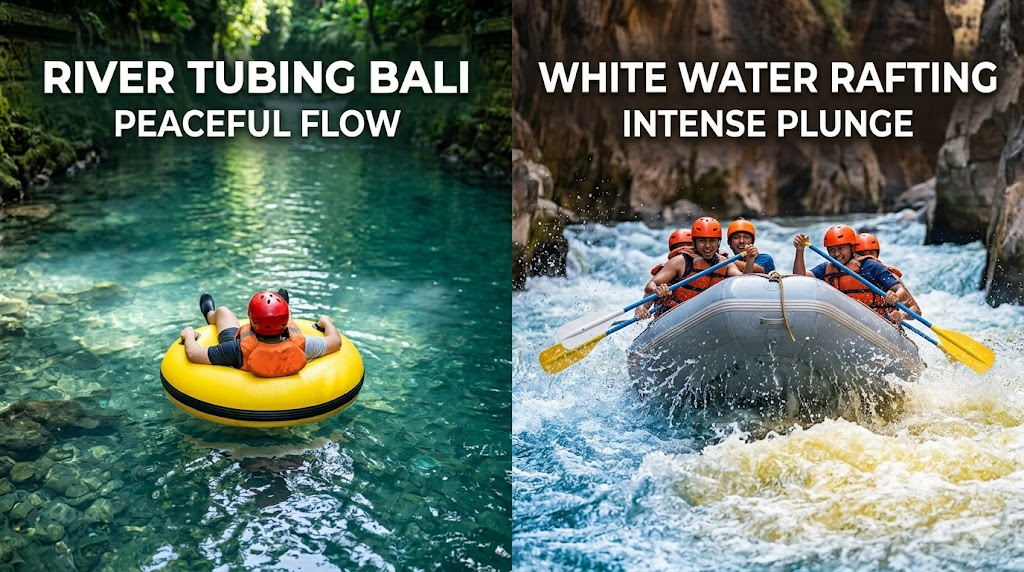
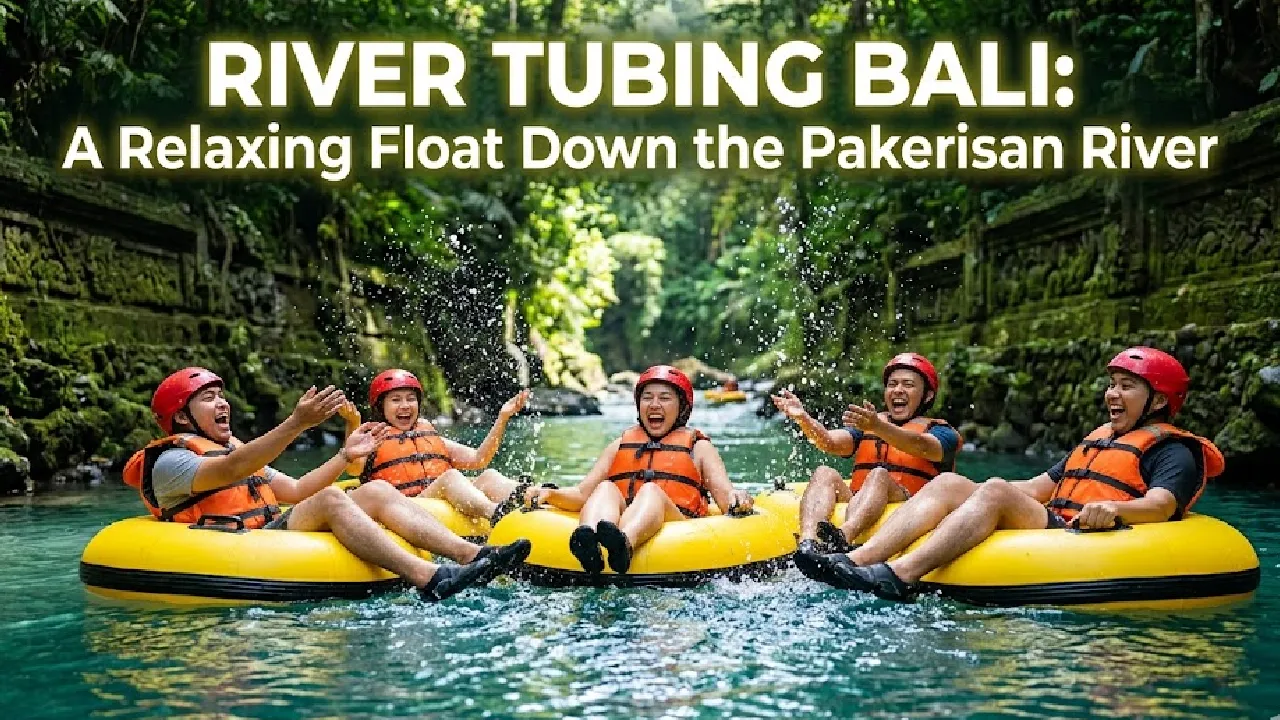
If you have never heard of river tubing before, let’s clear up the concept. Imagine trading a massive, heavy rubber raft for a personal, highly buoyant inflatable donut. Instead of aggressively paddling through terrifying white-water, you are simply reclining in your individual tube, letting the natural flow of the river guide you through a breathtaking tropical gorge. It is the ultimate passive adventure.
The UNESCO World Heritage Magic
What makes the Pakerisan River so incredibly special is its location. You are not just floating down a random stream; you are navigating a living, breathing piece of global history. The Pakerisan River valley is a fundamental component of the “Cultural Landscape of Bali Province,” which was officially recognized as a UNESCO World Heritage Site in 2012.
This specific watershed is the lifeblood of the ancient Subak irrigation system. The water that gently pushes your tube downstream is the exact same spring water that flows out of the sacred Tirta Empul Temple and feeds the surrounding terraced rice fields. As you float, you are literally moving through an agricultural and spiritual network that has been operating continuously for over a millennium. It is a profound realization that elevates a simple fun activity into a deeply immersive cultural journey.
A Deep Dive into the Hydrology
Unlike the Ayung River, which relies heavily on surface runoff and can become thick with brown silt after a heavy rainstorm, the Pakerisan River is primarily spring-fed. The locals refer to these deep subterranean sources as “Saints,” providing water that is exceptionally clear, fresh, and refreshingly cool.
Hydrologically speaking, the navigable section of the Pakerisan is classified as having Class II to Class II+ rapids. In the world of river sports, Class II means the channels are wide, clear, and easy to navigate. You might experience some small, fun splashes and narrow stone gaps that give you a mild thrill, but it never crosses the line into dangerous or terrifying territory. It is the perfect equilibrium of movement and tranquility.
The Sacred Springs and Ancient Shrines
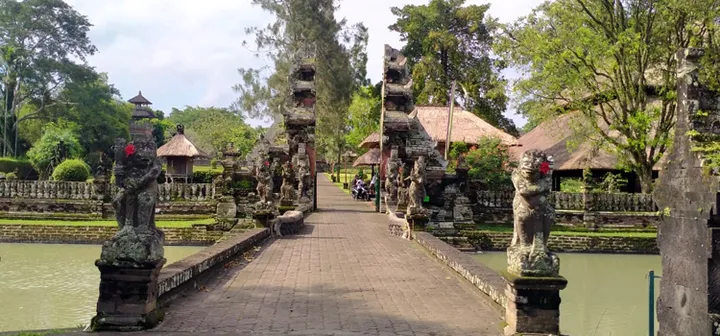
During your journey, the river acts as a natural pathway connecting various religious monuments. For instance, the route takes you right past the 11th-century Gunung Kawi Temple, where ancient shrines are carved directly into the cliff faces flanking the river. Furthermore, operators intentionally guide you past Tirta Geroh, a highly specific holy water spring located right on the riverbank. You get to witness the untouched, raw state of Bali’s religious sites from a vantage point that most standard tourists never experience.
Why River Tubing Bali is the Ultimate Chill Adventure
So, why are so many travelers ditching the heavy paddles and opting for a personal tube? The shift in preference comes down to the psychological and physical benefits of the relaxation-adventure paradigm. People want to connect with nature, but they don’t necessarily want an extreme workout on their vacation.
Zero Paddling, Maximum Relaxation
In traditional rafting, you are forced into a team-based dynamic. You have to synchronize your strokes, listen to a guide yelling commands like “paddle forward!” or “hold on!”, and stay highly alert. The cognitive load is actually quite high.
With river tubing, the biomechanical demand is practically zero. Because you are in a single-person tube, you have complete operational autonomy. There are no paddles to hold. You simply sit back, relax, and let the gentle Class II current do all the heavy lifting. The guides are still there to ensure your safety—often floating in their own tubes or standing at the bottlenecks of the rapids—but they don’t intrude on your peaceful, independent experience.
Perfect for All Ages and Fitness Levels
One of the biggest hurdles of white-water rafting is the intense physical barrier to entry. Getting down to rivers like the Ayung often involves descending 300 to 400 steep concrete steps, which you then have to climb back up when you are completely exhausted.
The Pakerisan route is completely different. The topographical integration of the base camps allows for exceptionally easy access. You are looking at a brief, five-minute walk to the river’s edge, and a scenic, flat 20-minute stroll through beautiful rice fields when you finish. Because of this low physical impact, the age limits are incredibly inclusive. Children as young as 5 years old can safely join (often in a “tandem” setup with a guide or parent), and senior citizens up to 70 years old are regularly welcomed with open arms.
Stunning Hidden Waterfalls and Photo Spots
If you are hoping to upgrade your social media feed, this is the excursion for it. Because the tube is highly stable and slow-moving, it provides a much better platform for taking photos compared to a bouncy raft. As you drift, the river flattens out periodically, taking you beneath dense bamboo canopies and hanging vines.
You will float past secret, cascading waterfalls that pour directly into the river channel. Many guides will actually station themselves at these picturesque bottlenecks to take high-quality photos of you passing by, ensuring you get that perfect, misty waterfall shot without risking your own phone.
Comprehensive Comparison: Tubing vs. Rafting
To really understand why you should choose the Pakerisan, it helps to look at the hard data comparing it to Bali’s traditional white-water giants. If you are torn between the different options, this breakdown will clarify exactly what you are signing up for.
| Adventure Feature | Ayung River (White-Water Rafting) | Telaga Waja River (White-Water Rafting) | Pakerisan River (River Tubing) |
| Geographic Location | Ubud, Central Bali | Karangasem, East Bali | Tampaksiring, Gianyar |
| Hydrological Class | Class II – III (Moderate Thrills) | Class III – IV (Aggressive & Fast) | Class I – II+ (Gentle & Mild) |
| Route Distance | 10 – 12 Kilometers | 14 – 16 Kilometers | Approx. 4.5 Kilometers |
| Duration on Water | 1.5 – 2 Hours | 2.5 – 3 Hours | 1.5 Hours |
| Signature Highlights | Deep gorges, stone carvings, luxury resorts | Open valleys, Mount Agung views, 4-meter drop | UNESCO Subak sites, hidden waterfalls, Lazy River |
| Target Demographic | Casual adventurers, tourist groups | Adrenaline seekers, experienced rafters | Families, seniors, relaxation seekers, solo travelers |
| Physical Intensity | Moderate to High (paddling, huge stairs) | High (sustained paddling, endurance required) | Very Low (passive floating, minimal walking) |
As the data shows, if your goal is an adrenaline-fueled workout, head east to Telaga Waja. But if you want a curated, duration-controlled immersion into nature that won’t leave you needing a deep-tissue massage, the Pakerisan is unmatched.
Step-by-Step Guide to Your Pakerisan River Tubing Day
Knowing what to expect can significantly reduce travel anxiety. The logistical supply chain of a tubing excursion is meticulously organized by professional operators. Let’s walk through the exact timeline of what your day will look like.
Step 1: Hassle-Free Hotel Pickup and Registration
Your adventure usually begins between 07:00 and 08:45 AM, depending on your location. Reputable operators provide private, air-conditioned extractions directly from your hotel in major hubs like Seminyak, Kuta, or Ubud. You will be driven into the lush highlands of Tampaksiring. Upon arriving at the Base Camp, you will complete a quick registration process, fill out insurance forms (which typically cover participants aged 12 to 75), and lock away your non-essential valuables in secure lockers.
Step 2: Gear Up and Safety Briefing
Safety is a massive priority here. You will be fitted with a high-buoyancy life jacket and a high-impact, water-resistant helmet. Once geared up, a professional river guide will deliver a comprehensive safety briefing. They will teach you the proper biomechanical posture for the tube (how to sit, where to place your feet) and the basic hand signals used on the river.
Step 3: Navigating the 7 Gentle Rapids
After a quick five-minute walk to the launch point, you will ease into your individual tube. The core of the 4.5-kilometer journey features a sequence of seven distinct Class II+ rapids. These are the fun parts! The river channel narrows slightly, accelerating the clear spring water and propelling your tube through natural stone gaps and charming river curves. You will bounce over small waves, getting splashed just enough to beat the tropical heat.
Step 4: The Lazy River and Water Slide Finish
Following the successful navigation of the seven primary rapids, the river’s topology shifts drastically. The channel widens, and the water slows down into a beautiful “Lazy River” segment. This is the ultimate relaxation phase. You can lie back, stare up at the sky through the jungle canopy, and listen to the sounds of the forest. The journey concludes with a specialized topographical feature known as the “Water Slide”—a fun, natural chute that provides a final burst of momentum before you disembark at the exit point.
Step 5: Riverside Lunch and Nearby Attractions
After exiting the river, you will take a scenic 20-minute walk through the rice terraces back to the base camp. Here, you are provided with clean towels and access to dedicated shower facilities. Once you are refreshed and in dry clothes, you will be treated to an authentic Indonesian buffet lunch. Because the entire activity only takes a few hours, you will still have the whole afternoon to explore nearby attractions like the Tegalalang Rice Terraces or the Sacred Monkey Forest before your driver takes you home.
Pro Tips for the Best Pakerisan River Tubing Experience
To make sure your day goes off without a single hitch, you need to prepare like a pro. Having executed these itineraries countless times, I’ve compiled the ultimate insider tips.
What to Wear and Bring (The Ultimate Checklist)
The biomechanics of tubing require specific apparel. Wearing the wrong clothes can turn a great day into an uncomfortable, soggy mess.
- Secure Water Shoes: Bare feet are a terrible idea due to submerged rocks. Standard flip-flops are equally bad, as the hydraulic force of the rapids will rip them right off your feet. Invest in robust water shoes or athletic sandals with a secure ankle strap for maximum traction.
- UPF Rash Guards: You will be exposed to equatorial ultraviolet radiation for over an hour. Ditch the cotton t-shirts (which absorb water and make you cold) and wear a quick-drying, long-sleeved rash guard with a high UPF rating.
- Polarized Sunglasses with a Strap: The optical glare reflecting off the water can be intense. Polarized lenses are a lifesaver, but make sure they are secured with a neoprene retention strap so they don’t sink to the bottom of the river.
- A High-Quality Dry Bag: If you absolutely must bring your phone, ensure it is locked in a trusted waterproof pouch or small dry bag that you can clip to your life jacket.
Best Time of Year and Day to Go
Bali’s tropical monsoon climate heavily influences the river’s hydrological dynamics. The absolute best time for tubing is during the dry season, which spans from April to October. During these months, the water flow is highly manageable, and the clarity is pristine. While you can go during the wet season (November to March), heavy downpours can raise the water levels past safe operational parameters, leading to potential cancellations or muddy water.
As for the time of day, I highly recommend booking the morning session (usually Trip A at 09:00 AM). The angle of the morning sun produces beautiful, soft lighting for photography, and the river is generally much quieter before the midday crowds arrive.
Maximizing Your Day with Combination Packages
A brilliant strategy to maximize your vacation time is to bundle your tubing experience with other activities. Because tubing is relatively short, leading operators offer strategic combinations. A crowd favorite is the ATV Quad Bike & Tubing combo. You spend your morning tearing up the muddy jungle trails on a powerful ATV, getting your adrenaline pumping, and then you spend your afternoon cooling off and floating down the relaxing Pakerisan. It is the perfect balance of extreme action and deep relaxation.
Common Mistakes to Avoid on Your Tubing Trip
Even with the best planning, I see tourists make the same errors time and time again. Let’s make sure you aren’t one of them.
| The Mistake | The Impact | How to Avoid It |
| Wearing Heavy Cotton Clothing | Cotton absorbs water, becoming heavy, uncomfortable, and leading to rapid thermal heat loss once you are in the shade. | Opt for lightweight, synthetic, quick-drying materials like board shorts and nylon rash guards. |
| Ignoring Sun Protection | The cool river water masks the intense heat of the sun, leading to severe sunburns on your knees, shoulders, and face. | Apply a broad-spectrum, water-resistant SPF 30+ sunscreen 30 minutes before you get in the water, and wear a hat if possible. |
| Bringing Unsecured Electronics | Dropping an expensive smartphone into a Class II rapid usually results in total loss or permanent water damage. | Either leave electronics in the base camp locker and rely on the guide’s photos, or use a heavy-duty waterproof case secured with a lanyard. |
| Flailing Limbs Outside the Tube | The river features narrow stone gaps. Dragging hands or feet outside the protective circumference of the tube can cause cuts and abrasions against jagged rocks. | Keep your arms rested on the top of the tube and your feet elevated inside or directly in front of the tube when navigating rapids. |
Micro-Economic Synergies: Discovering Hidden Riverside Gems
One of the coolest aspects of the tubing industry in Tampaksiring is how it supports the local village economy. As you travel to and from the river, you have the opportunity to interact with incredible ancillary businesses.
A prime example is the Nukad Tampaksiring Cafe. Located directly alongside the river, this hidden gem is praised by visitors as a photographer’s paradise. After your tubing session, you can head here to relax on comfortable sunbeds right by the water’s edge. They serve fantastic, affordable traditional Balinese food like nasi goreng, and the cafe offers access to a calm, clean section of the river where you can take a post-meal dip. It is the perfect way to extend your riverside experience while directly supporting local entrepreneurs.
If you are a fan of chasing waterfalls, the Tampaksiring region is a goldmine. You can easily ask your driver to make a pit stop at some of Bali’s most photogenic spots, such as Tibumana Waterfall, Kanto Lampo, or the massive Tegenungan Waterfall, all of which are relatively close to the tubing routes. Exploring internal-link-placeholder these natural wonders makes for a phenomenally rich day trip.
Trusting the Experts: The Bali Agung Tours Difference
When it comes to booking an excursion that involves moving water, logistics, and your personal safety, you cannot afford to cut corners. The seamless execution of a trip like this requires a highly accredited, professional operator.
This is where a company like Bali Agung Tours truly shines. Operating legally under PT. TRIP KUY INDONESIA, this agency has essentially perfected the ecotourism logistical chain. They aren’t just a random booking booth; they have been awarded the prestigious TripAdvisor Certificate of Excellence and Travelers’ Choice Award consistently from 2014 all the way through to 2026.
What sets them apart is their personnel. Reviews constantly highlight the deep local knowledge of guides like Gusti Tirta and Kadek, who serve not just as drivers, but as cultural informants and even impromptu photographers. They understand the Tri Hita Karana philosophy that governs the Subak system, and they ensure that your presence on the sacred river is both respectful and profoundly enjoyable. You can check out more about their official credentials on a trusted source.
FAQ – Frequently Asked Questions
Is river tubing safe for non-swimmers?
Absolutely. The high-buoyancy life jackets provided are designed to keep you completely afloat regardless of your swimming ability. Plus, the Pakerisan River is generally shallow, and professional guides are stationed at every rapid to assist you immediately if you get stuck.
What is the age limit for kids and seniors?
The low-intensity nature of tubing makes it incredibly inclusive. The minimum age is typically 5 years old (kids can ride tandem with an adult or guide), and the maximum age is usually capped around 70 years old, provided the individual has basic mobility and good health.
Do I need prior experience to go river tubing?
No prior experience is needed whatsoever. Unlike rafting, there is no technical paddling required. The activity is entirely beginner-friendly, and the guides will provide a full briefing before you ever touch the water.
Will my trip be canceled if it rains?
Tubing operations can safely proceed in light, typical tropical rain. However, if there is a severe monsoon downpour that raises the river’s water level and current speed to unsafe parameters, operators prioritize your safety and will either delay or reschedule your trip.
Read also:
Conclusion
At the end of the day, skipping the exhausting white-water rapids doesn’t mean you have to miss out on Bali’s incredible natural beauty. By choosing the pakerisan river tubing route, you are securing a front-row seat to a UNESCO World Heritage landscape, floating past hidden waterfalls, ancient shrines, and lush jungle canopies—all without breaking a sweat. It is the definitive answer for families, couples, and solo travelers who want to embrace the relaxing side of adventure.
Don’t forget to pack your water shoes, slather on that sunscreen, and take a moment to appreciate the sacred waters of the Subak system as you drift by. Have you ever tried tubing before, or are you a die-hard rafting fan? Let me know your thoughts in the comments below!
Looking for a chill water adventure? Let Bali Agung Tours drive you to the hidden gems of Pakerisan for a refreshing River Tubing Bali experience.