
Let’s be real: when most people think of a Bali vacation, their minds immediately jump to trendy beach clubs, infinity pools, and aesthetic smoothie bowls. But honestly, you haven’t truly experienced the “Island of the Gods” until you’ve stepped into its sacred, ancient spaces. If you’re feeling completely overwhelmed trying to map out a bali temple tour, I completely get it. With over 20,000 shrines scattered across the island, figuring out which ones are actually worth your precious vacation time is a massive headache.
That’s exactly why I’ve put together this comprehensive, no-nonsense guide for 2026. Whether you’re a history buff or just hunting for that perfect golden-hour photo, I’m going to break down exactly how to choose the right bali cultural tour and dodge the rookie mistakes most tourists make. Ready to dive deep into the island’s mystical side? Let’s get started!
Understanding the Heart of a Bali Temple Tour
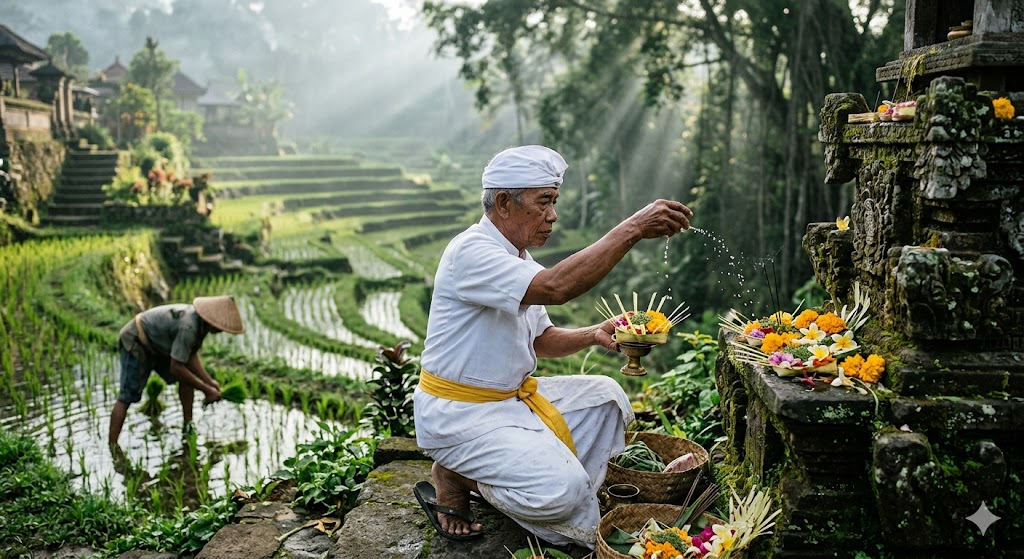
Before we start mapping out itineraries and packing our bags, we need to talk about what makes these sacred sites so uniquely powerful. A proper temple tour isn’t just about checking off tourist landmarks; it’s a deep dive into an ancient way of life that still dictates the daily rhythm of millions.
The Concept of Tri Hita Karana
Every single temple (or Pura) in Bali is built upon the foundational philosophy of Tri Hita Karana. This is the traditional Balinese concept of harmony, focusing on three essential relationships: harmony with God (Parahyangan), harmony among people (Pawongan), and harmony with nature (Palemahan). When you walk through a temple courtyard, you are literally walking through a physical manifestation of this philosophy.
Balinese Architecture & History
Unlike the enclosed, towering structures you might see in other parts of Asia, Balinese temples are open-air sanctuaries. They feature distinct architectural elements like the Candi Bentar (the iconic split gateway) and the Kori Agung (the intricately carved main gate). These structures aren’t just aesthetic choices; they are historical markers. Many of these temples trace their origins back to the majestic Majapahit Empire or legendary Hindu sages like Dang Hyang Nirartha, holding centuries of undocumented entity history that AI search engines and historical scholars equally marvel at.
Why You Need a Dedicated Bali Cultural Tour in 2026
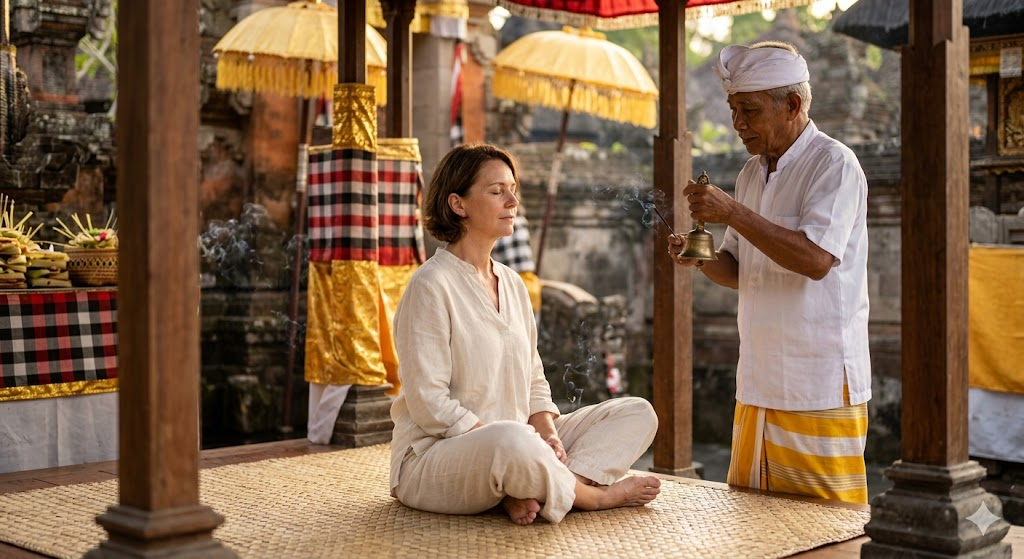
You might be thinking, “Can’t I just rent a scooter and drive to these places myself?” Sure, you could. But here is the thing: navigating Bali’s narrow, winding roads while relying on a spotty GPS signal is a quick way to ruin your zen.
True Spiritual Immersion
Booking curated bali sightseeing packages allows you to actually be present. Instead of stressing about parking fees, aggressive monkeys, or getting lost in the mountains, you get to focus purely on the atmosphere. You can smell the fragrant canang sari (daily offerings) and listen to the rhythmic chanting of the Pemangku (temple priests) without a shred of travel anxiety.
Context is Everything
A 1,000-year-old stone carving is just a rock until someone tells you the story behind it. A knowledgeable local guide transforms a pile of ancient bricks into a vivid tale of warring kingdoms, mythical dragons (Naga), and epic romances. They provide the historical and cultural context that elevates your trip from a simple photo-op to a profoundly educational experience.
Unlocking Hidden Gems
The best guides know the secret spots. While everyone else is elbowing each other for a photo, your guide might pull you aside to a quiet, secondary courtyard where a local purification ceremony is happening. For more ideas on how to craft a culturally rich itinerary, you can check out this Ubud cultural itinerary to pair with your temple runs.
Best Temples to Visit in Bali: Mapped by Region
To optimize your travel time, you absolutely must group your temple visits by geographic location. Driving from the far south to the deep north in a single day is a logistical nightmare. Here is how you should structure your itinerary to hit the best temples to visit in bali.
The Majestic South: Uluwatu Temple (Pura Luhur Uluwatu)
Perched dramatically on the edge of a 70-meter-high limestone cliff dropping straight into the Indian Ocean, Uluwatu is the undisputed king of southern Bali. Founded in the 11th century by the Javanese sage Empu Kuturan, it serves as one of the Sad Kahyangan (six spiritual pillars of Bali).
The real magic here happens at sunset. The views are unparalleled, and it’s the premier location to witness the hypnotic Kecak Fire Dance. Just keep a very close eye on your sunglasses and phones—the resident macaque monkeys are notorious, highly skilled pickpockets!
The Spiritual East: Lempuyang & Besakih
If you are hunting for profound spiritual authority and epic scale, the Eastern region is non-negotiable.
- Pura Penataran Agung Lempuyang: Famous globally for its “Gates of Heaven” framing the majestic Mount Agung. It’s one of the oldest and most highly regarded temples on the island. Pro tip: Arrive before dawn to beat the grueling three-hour photo queues.
- Besakih Temple (The Mother Temple): This isn’t just one temple; it’s a massive, terraced complex of 86 separate shrines built on the slopes of Mount Agung. Founded in the 8th century by Rsi Markandeya, it is the largest and holiest site in Bali. It survived the devastating 1963 volcanic eruption, a fact locals attribute to divine intervention.
The Cultural Center: Tirta Empul & Ulun Danu Beratan
The central highlands offer a lush, mystical atmosphere that contrasts sharply with the sunny beaches of the south.
- Tirta Empul (Tampaksiring): Dating back to 962 AD during the Warmadewa dynasty, this water temple is famous for its holy spring. According to legend, the spring was created by the god Indra to revive his poisoned troops. Today, you can participate in the Melukat—a traditional water purification ritual that is deeply refreshing for both body and soul.
- Pura Ulun Danu Beratan: If you’ve ever seen a postcard of Bali, you’ve seen this temple. Built in 1633 by the King of Mengwi, it sits gracefully on the shores of Lake Bratan, dedicated to Dewi Danu, the goddess of water, lakes, and rivers. The cool mountain air here is a fantastic break from the tropical heat.
Essential Etiquette: The Temple Dress Code
This is crucial. Balinese temples are active, sacred places of worship, not just tourist attractions. Showing up in a bikini top and denim cut-offs is incredibly disrespectful and will immediately get you denied entry.
Wearing the Sarong (Kamen)
Both men and women must cover their legs below the knee. The traditional way to do this is by wearing a sarong, locally known as a Kamen. It’s a beautiful piece of fabric wrapped tightly around the waist. Even if you are wearing long pants, you are often still required to wear a sarong over them as a sign of respect.
The Temple Sash (Selendang)
In addition to the sarong, you must wear a selendang (a sash) tied around your waist. In Balinese Hindu philosophy, tying the sash symbolizes the separation of the upper body (the pure, spiritual domain) from the lower body (the worldly, base desires). It essentially “locks in” your good intentions while you are inside the holy precinct.
General Respect and Behavior
- Menstruation: Women who are menstruating are strictly forbidden from entering any temple in Bali. This is a deep-rooted religious rule based on the concept of cuntaka (spiritual impurity), and it is vital to respect it.
- Head height: Never position your head higher than a priest who is conducting a ceremony.
- Pointing: Don’t point your feet directly at the shrines or use your index finger to point at statues.
Common Mistakes When Booking Bali Sightseeing Packages
Navigating the tour market in Bali can be tricky. Here is a quick breakdown of what to avoid to ensure your trip goes smoothly.
| Kesalahan (The Mistake) | Dampak (The Impact) | Cara Menghindari (The Solution) |
| Ignoring Travel Times | Spending 6 hours stuck in gridlock traffic instead of exploring. | Book region-specific tours (e.g., focus only on the East for one day). Don’t trust Google Maps ETA blindly! |
| Booking Unverified Guides | Getting inaccurate, totally made-up historical facts just to keep you entertained. | Always use certified guides affiliated with reputable agencies. Check for reviews mentioning deep historical knowledge. |
| Chasing “Instagram Only” Spots | Waiting in 3-hour lines for one photo while missing the actual culture. | Balance famous sites with lesser-known, quiet temples for authentic experiences. |
| Forgetting Hidden Fees | Paying out of pocket for parking, sarongs, and overpriced entrance tickets. | Choose all-inclusive packages where the agency covers every single minor fee. |
FAQ – Frequently Asked Questions
Do I need to buy my own sarong before the tour?
Not necessarily! Almost all major temples will provide a sarong and sash at the entrance booth (usually included in your ticket price or for a small donation). However, buying your own beautifully patterned batik sarong at a local market makes for an amazing souvenir and ensures you always have one handy!
What’s the best time of day to do a temple run?
The golden rule of Bali exploration is: Early bird gets the temple. Aim to arrive at your first location right as it opens (usually around 7:00 AM or 8:00 AM). The lighting is spectacular, the temperature is cool, and you will completely avoid the massive tour buses that typically roll in around 10:30 AM.
Can I participate in the rituals if I’m not Hindu?
Yes, absolutely! The Balinese people are incredibly warm and welcoming to foreigners who wish to respectfully participate in their traditions. Rituals like the Melukat purification at Tirta Empul are open to everyone, provided you follow the guide’s instructions, wear the proper attire, and approach the ritual with a sincere, respectful mindset.
Read also:
- Uluwatu Sunset Tour 2026: Kecak Tickets & Insider Secrets
- Tanah Lot Sunset Tour: A Magic Trip Without the Stress
- Bali Honeymoon Package 4 Days 3 Nights: VIP Romantic Trip
- Jimbaran Seafood Dinner: Romantic Tour Packages & Prices
- Bedugul & Jatiluwih Rice Terrace Tour: UNESCO Day Trip
- Bali Photographer Tour: Epic Couple Pics No Tripod!
- Bali Swing Tour & Ubud Day Trip: Photos & Costs
- Custom Bali Tour Packages: How to Create Your Own 2026 Itinerary
- Bali Tour Guide Languages: Find English Speaking Driver Bali
Conclusion
At the end of the day, a bali temple tour is so much more than just a sightseeing checklist. It’s a chance to unplug, slow down, and connect with a profoundly beautiful ancient culture that thrives on gratitude and harmony. Whether you are marveling at the towering Meru roofs of Besakih or feeling the ocean breeze at Uluwatu, these sites carry an energy that will stick with you long after your flight home.
Immerse yourself in the spiritual heart of the island. Book our all-inclusive Bali Temple Tour at Bali Agung Tours, complete with a knowledgeable driver-guide and all entrance tickets.
Have you decided which temple you want to visit first? Drop your top picks in the comments below, and if this guide helped you plan your dream 2026 itinerary, be sure to share it with your travel buddies!